Byzantium — We Built This City…

…On Christianity and trade routes.

You didn’t actually think the answer was going to be “rock ‘n’ roll,” did you?

Yeah, no Constantinople was founded by our boy Constantine because he was paying attention to the times. That’s right, I’m talking about the actual city now that I promised I would get to last time.

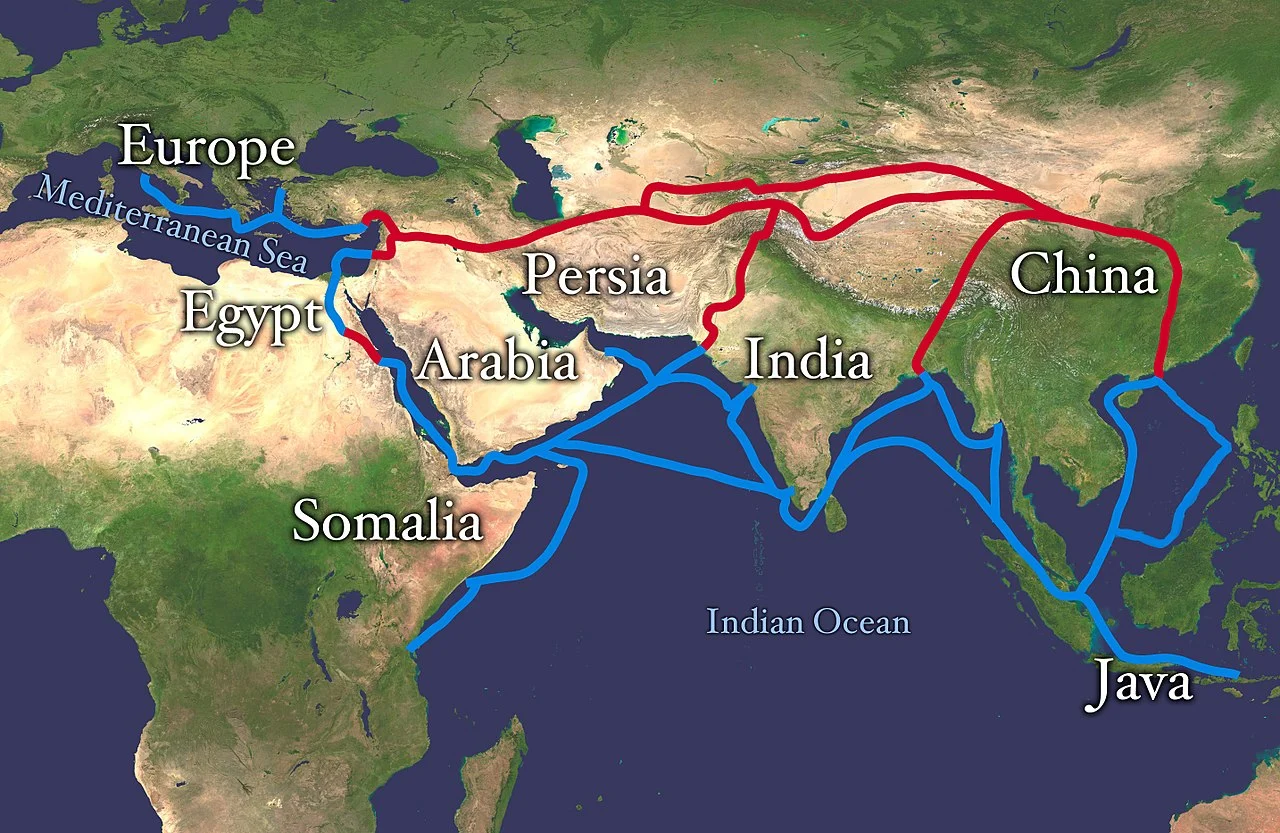
Silk Road
Going around the African Cape was just Not A Thing back then…

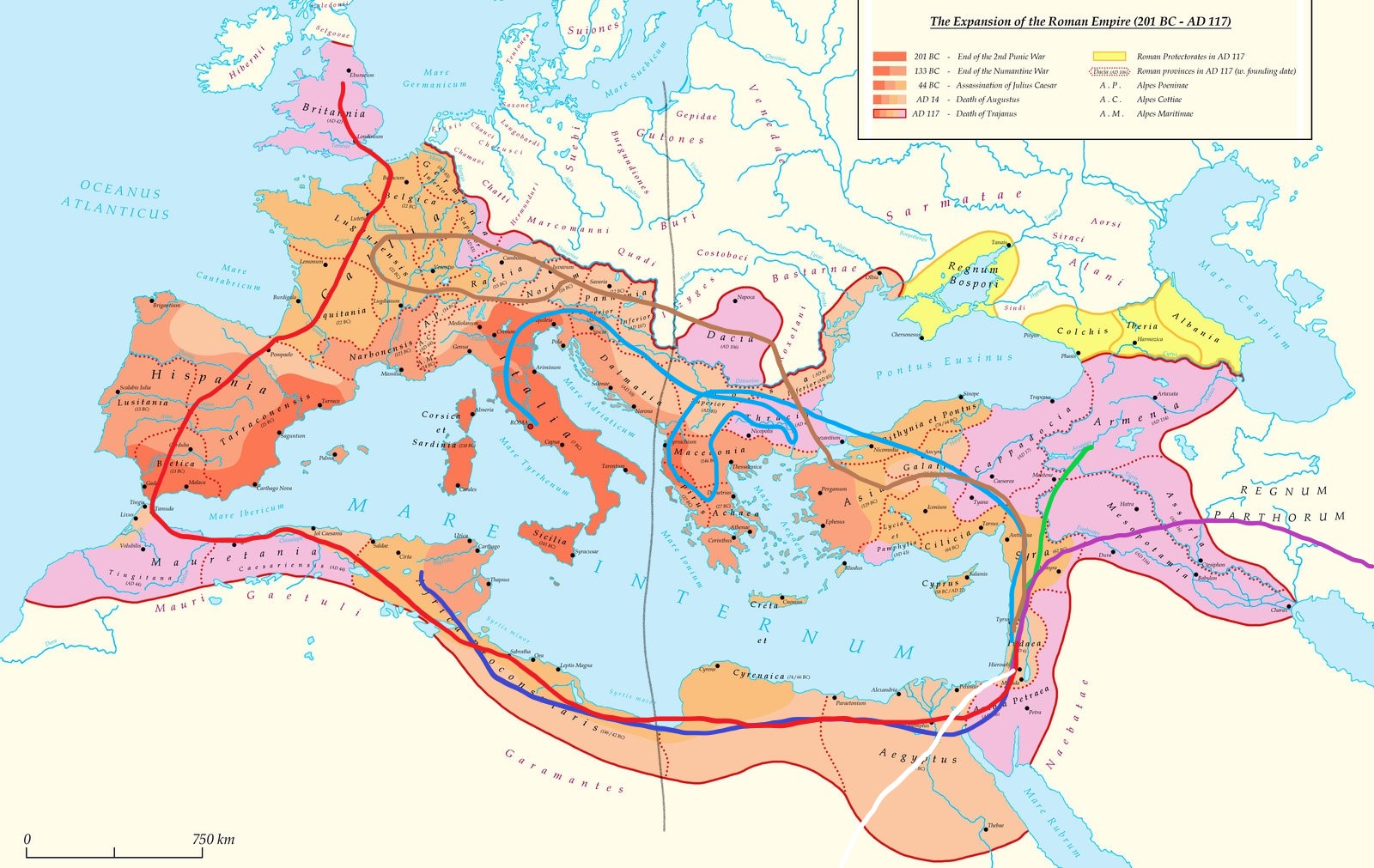
Now, don’t get me wrong — Rome had been a powerhouse for a long time and definitely had a good position on the Tiber and the Mediterranean. It had been ideally situated to challenge and later beat the tar out of Carthage. It was accessible by the Greeks and the Macedonians and had the ability and the materials necessary to build some really good ships. But once Carthage had been stomped into the ground, well, there really wasn’t much in the way of trade west of Rome. Now, sure, there were silver and tin mines in Spain and tin mines up in Britannia but it was easier, in some ways, to transport those goods overland instead of on ships. Trade shifted back eastward towards Greece and Asia Minor since that is where one could find spices coming up from India and China and other points Oriental as well as stuff coming up from more-central-Africa via the Nile.

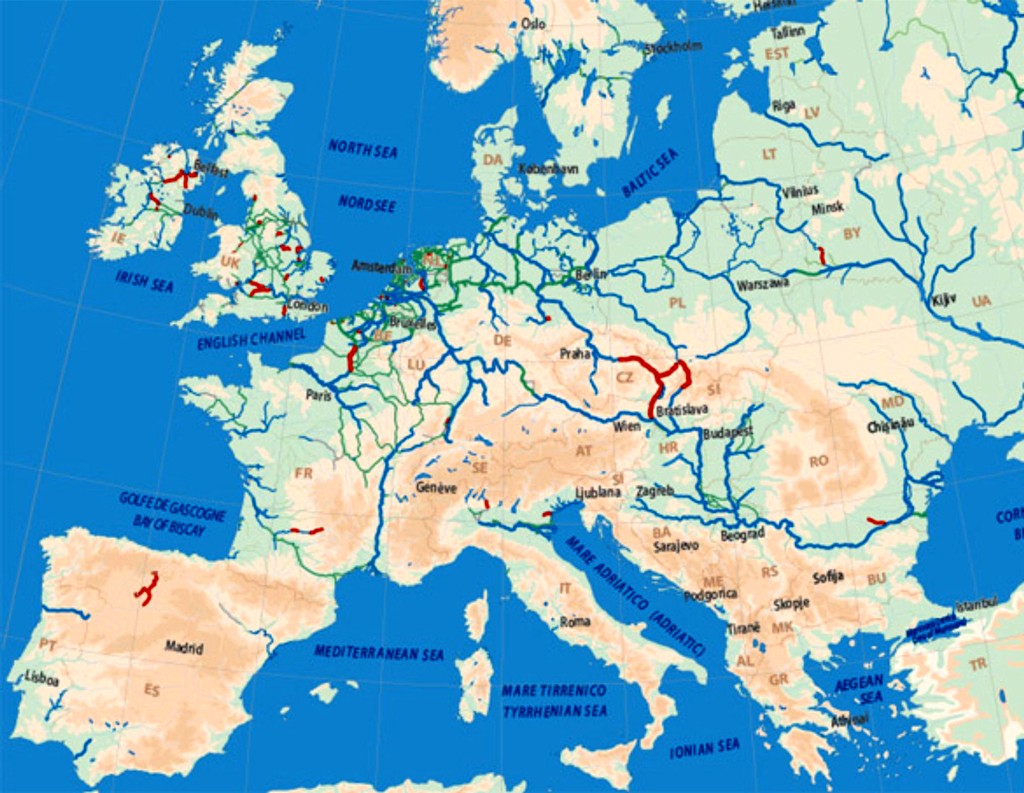
Rivers in Europe That Are Navigable
Notice how most of the rivers empty into the Black Sea?
Mississippi River System
The Mississippi River system is part of why the United States had such strong internal trade compared to Europe.

Something that Americans especially seem to have a hard time understanding is that Europe lacks any kind of river system akin to the Mississippi (where transport from a lot of different branches is feasible which is why cities like St. Louis, Vicksburg, and New Orleans were so important). The “biggest” river system is probably the Loire and that pretty much gets you across France. It doesn’t get you from France down to Rome. It doesn’t get you from Berlin to Rome. Now, rivers and coasts were vital for trade in the era before the internal combustion engine was invented. Yes, yes, Rome had good roads for people using actual horses for horsepower but that still doesn’t mean that it’s cheap or easy to travel from Rome up to Paris or over to Madrid. Europe had a lot of forests, a lot of floodplains, and a lot of mountains that made travel overland difficult and expensive.

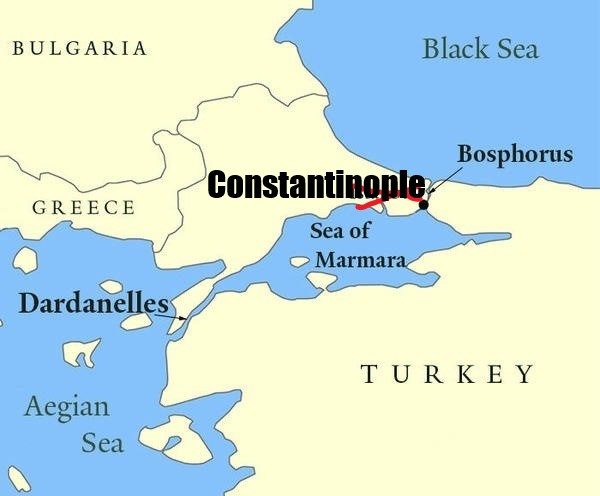
It's Constantinople and I will die mad about the other name
It’s Constantinople and I will die mad about the other name

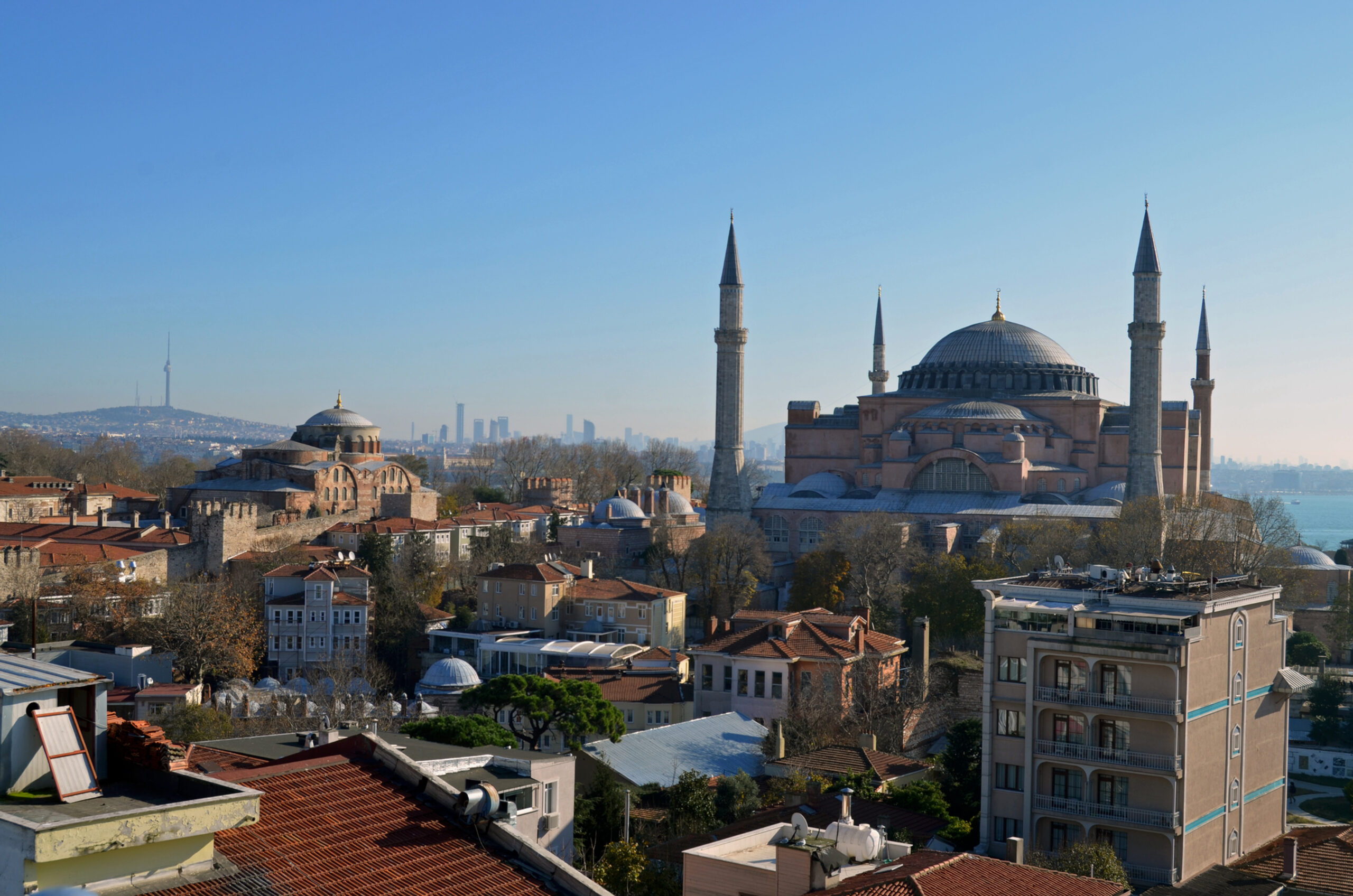
But Asia Minor (which is where the Byzantines were) had fewer of these problems. The Silk Roads were fairly well-established with plenty of stops for food and water. Coasting along India and Arabia was easy enough. Constantinople, founded on top of Byzantium, was located on the European side of the Bosporus which is the strait linking the Black Sea to the Mediterranean. This put it in the best possible position to control trade between Asia and Europe. It also had the benefit of not having been a major settlement until Constantine decided to move there so it didn’t have loads of pagan temples. Constantine wanted to weaken the political power of the pagan families who still had a lot of influence in Rome and he wanted to assure that Christianity would be ascendant.

After all, he owed the Biggest C for giving him victory at Milvian Bridge.

So, based on the fact that Rome the City had been pagan far longer than it had tolerated Christians and that most of the major trade routes were in the East, Constantine decided it was time to move the capitol to his new city. It helped that there was already a good colony there with enough infrastructure and secure walls (Byzantium). Add in the fact that Constantine was the one and only Emperor now and that he was consolidating political control into his own hands and one capitol and moving from Rome made a lot of sense. It also put him much closer to three of the four ancient churches (Jerusalem, Alexandria, and Antioch). Once the city had been consecrated on May 11, 330, it was considered the New Rome.

Constantine could still kick your ass
So great he had a city re-named after him

However, Old Rome wasn’t quite ready to give up its power and influence so easily. But we’ll deal with that next time.

— G.K.

Byzantium — Signs, Co-Emperors, and Confusion

So, when we last met, I said that we would get to our boy Constantine.

And boy howdy, we are!

First, a little bit of housekeeping. We’re dealing with an era where everyone had the same few names it seems. So, the cast of characters is this:

Flavy-Flav — Flavius Valerius Constantinus the Father of Constantine the Great
Dio — Diocletian the Douchecanoe, Emperor of Rome
Max-Man — Maximian, Dio’s junior co-Emperor
Gal — Galerius, Flavy-Flav’s co-junior Emperor
Sev — Valerius Severus, a junior Emperor once Max-Man and Flavy-Flav became Senior Emperors
Minmax — Maximinus Daza, a junior Emperor with Sev
Max-T — Maxentius, son of Max-Man, who didn’t like Sev at all
The Big C — Constantine the Great
Licey — Licinius, a co-Emperor with The Big C for a time and the guy who wrote the Edict of Milan with him

Roman Names Are Weird
Why did everyone need to have the same few names? I’ll bet everyone having the same name had something to do with all the wars that broke out.

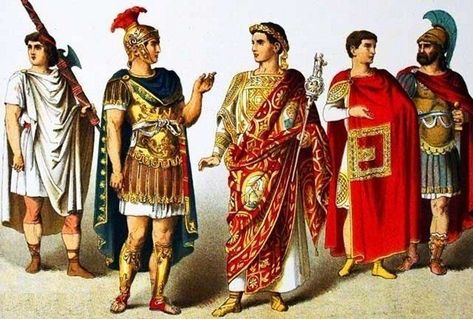
The Big C was born to a Greek Christian mother (Helena) and a Roman father who had been part of the Tetrarchy. The Tetrarchy was an attempt to make the very large, very complex, very gi-freaking-normous Empire a little less of an unwieldy kludge. And, it worked okay for a little while. Basically, there was a Senior Emperor who ruled the Eastern section of the Empire (Dio the Douchecanoe being the first) and a Junior Emperor who ruled the West (Max-Man). The Emperors appointed their own successors. Dio and Max appointed Gal and Flavy-Flav (Constantine’s dad) to Junior Emperors. When they Dio and Max retired, Gal and Flavy-Flav became Senior Emperors and appointed Sev and Minmax to be junior Emperors.

However, when Flavy-Flav died and The Big C was proclaimed to be both Senior and Junior Emperor by his dad’s army, things got dicey. It didn’t help at all that Minmax’s own son, Max-T disliked his dad’s co-Emperor Sev. When Minmax retired, he named Max-T to be junior Emperor. Sev bowed out in 307 and Max-T and The Big C were proclaimed to be Seniors by Max-Man. Meanwhile, Gal, who was just chilling out, appointed Licey to be the Senior in the West and Minmax to be Senior in the East.

A Not Inaccurate Depiction of What Happens When You Have Four Emperors

Four Senior Emperors does not a stable government make. That’s way too many chiefs and not enough Indians. So, the four Emperors did what men with armies have done — they sat down and discussed their differences rationally and then came to an agreement.

If you believe that... well, here's this bridge for sale...
If you believe that… well, here’s this bridge for sale…

Yeah. Right. No, they went to war. The Big C was fighting Max-T for control over the Western Empire while Licey chilled and ruled in the East after Minmax died. The Big C and his armies were gathering to throw down with Max-T and his armies near the Tiber at a bridge called the Milvian Bridge. It was late October. The armies were preparing for battle. The Big C has a vision from The Biggest C (Christ) that tells him if he fights under The Biggest C’s sign, he’ll win.

So The Big C does what anyone would do if The Biggest C told them that: he ordered his men to paint this on their shields and to know that the Christian God was on their side.

Guess who won the battle of Milvian Bridge? 😉

Constantine could still kick your ass
Duh. Who did you think won?

So, with Max-T out of the picture, The Big C rules the Western half of the Roman Empire exclusively, with no co-Emperor in the West, from 312 to 324. The Big C and Licey wrote the Edict of Milan in 313, which ended the persecution of Christians in the Roman Empire and granted them official toleration. However, that was probably the last time the two agreed on anything. In 314, The Big C went after Licey because he thought that Licey was hiding Senecio (who wanted to overthrow the Big C). The Big C won that war and he and Licey tired very hard not to piss each other off. However, Licey had to go and appoint a co-Emperor for himself: Valerius Valens.

That did not sit well with The Big C. We’re talking it flew like a lead balloon (and not the cool one that Mythbusters made). The Big C invaded the Balkans and wiped the floor with Licey at the Battle of Cibalae. Licey fled south all the way to Adrianople and then tried to smooth things over with The Big C. However, our boy Constantine wasn’t about to surrender victory to the jaws of defeat and told Licey to get bent and marched on him, resulting in the Battle of Mardia. The Big C let anger get the better of him and this battle was kind of a stalemate. Licey and The Big C came to terms where Licey agreed that The Big C was the boss of all of Rome and of him and The Big C agreed to let Licey keep Thrace to rule. Licey also agreed to put a cap in Valens.

Things settled down for about seven years until the Sarmatians started causing problems. Licey had been dealing with them for a while but they crossed the Danube into The Big C’s turf and started wrecking stuff. Of course, our boy Constantine got ticked off and went after them. He crossed the Danube chasing them which meant that, technically, he had invaded Licey’s turf. Again.

Oops! My bad!
Oops! My bad!

Oh well.

The Big C followed this up with another invasion, sending the Goths into Thrace. Licey pointed out that The Big C had broken their agreement and war broke out again in 323. The Big C proceeded to roll up Licey’s forces at the Battle of Adrianople, forcing Licey to flee to Byzantium and hide behind its walls. Our boy Constantine then proceeded to beat the tar out of Licey’s fleet, which was supposed to be a really good fleet, at the Battle of the Hellespont. The final fight of this war was the Battle of Chrysopolis where Licey got his rear end handed to him. The Big C’s sister, who was married to Licey, begged her big bro to spare her husband so into exile Licey went with Constantine being the Sole Boss of All of Rome.

It's Good to Be The Big C
It’s Good to Be The Big C

But the Big C didn’t just chill and rest on his laurels. No, he had a city to build.

It's Constantinople and I will die on this hill
It’s Constantinople and I will die on this hill

But we’ll get to that next time.

— G.K.

Byzantium — The Pre-Founding

Okay, so, pretty much everyone knows what Rome was, that it was originally a Republic and then Caesar took control and got stabbed on March 15 and there was a war and Augustus took over and then it was an Empire. We all know that Rome dominated much of the known world at that era, having taken control of most of the Mediterranean, north Africa, the Iberian peninsula, and the Hellenic world of Greece and the Holy Lands in Asia Minor. We all know about Augustus or Tiberias doing a census, Mary and Joseph going to Bethlehem, Jesus being born, His growing up in Judea, His earthly ministry, and His death and resurrection followed by His ascension and the descent of the Holy Spirit.

I founded a whole entire empire and this is how I'm remembered...
I founded a whole entire empire and this is how I’m remembered…

Still with me? Good.

We all pretty much know that after Pentecost, the Apostles went around evangelizing and founding churches. Peter founded the churches in Alexandria, Antioch (with Paul), and Rome. Jerusalem had a church from the beginning and it was run by James the Less. Paul went to the Gentiles and spread word of the Word around Greece founding churches in Ephesus, Smyrna, Pergamum, Thyatira, Sardis, Philadelphia, Laodicea, Colossae, and Hieropolis — among others. Andrew went to the Scythians, James the Greater headed out to Spain, Philip and Bartholomew hung around in Greece with Paul for the most part, Thomas went to Babylon and then on to Persia and India, Matthew headed out to Egypt and Ethiopia, Jude went to Syria and to Armenia with Matthias, and Simon the Zealot headed out towards Carthage and then up to Britain. From the mid-30s to the mid-90s of the first century, the Gospels and Epistles were written with Revelation being the last one in the 90s.

Country Roads... take me home...
Country Roads… take me home…

During the first century, Christianity was just assumed to be another branch of Judaism by the Romans and since the Romans had finally come to terms with the Jews following a whole lot of revolts and riots and bloodshed1, Christianity at first just kind of slid by under the Roman radar. When the Romans realized that Christians were not some subsect of Judaism, well… Bad Times Started.

So, much of the first, second, and third centuries AD saw periodic persecutions of Christians (some Emperors were more chill than others). These centuries also saw a lot of Christian writings being penned. Out of these years we get things like The Didache, Polycarp’s letters, Ignatius of Antioch’s letters, Irenaeus’s writings like Against Heresy, and Tertullian’s Apologies. However, we also get a lot of garbage out of these centuries like the Gnostic gospels (“ooh, lookit me, I have spechul, sekret knowledge and you have to do what I say before God will whisper it to you” make up the vast majority of this dreck which I had to read while working on my MA. It doesn’t even rise to the level of good fanfiction like what Milton and Dante would later write). We also get a lot of heresies out of this era like Arianism.

I hate Gnostic bs
If I ever have to read Gnostic writings again, I’m going to compare them to the “spechul magickal” crap from the Mists of Avalon and start a drinking game.

As Christianity spread throughout the Roman Empire and to parts beyond, it started to be a movement to be reckoned with. The emphasis on charity and helping the community wasn’t something found in the Roman (pagan) religion. I mean, Jupiter the Best and the Greatest at everything but keeping his libido under control didn’t exactly tell his followers “hey, build some hospitals and schools.” 😉 Even Apollo seems to have been too busy chasing random nymphs to have told his followers to build the odd doctor’s office (and he was the god of healing… among other things). But Christians built schools and taught the beginnings of literacy. They donated to help the poor. They tried to help heal the sick through prayer and through providing spaces for people to be nursed through their ailments. So, eventually Christianity caught the eye of this one guy. I mean, he wasn’t anyone super important. He was just an army dude.

Constantine could still kick your ass
Don’t make Constantine come down and smack a b*tch

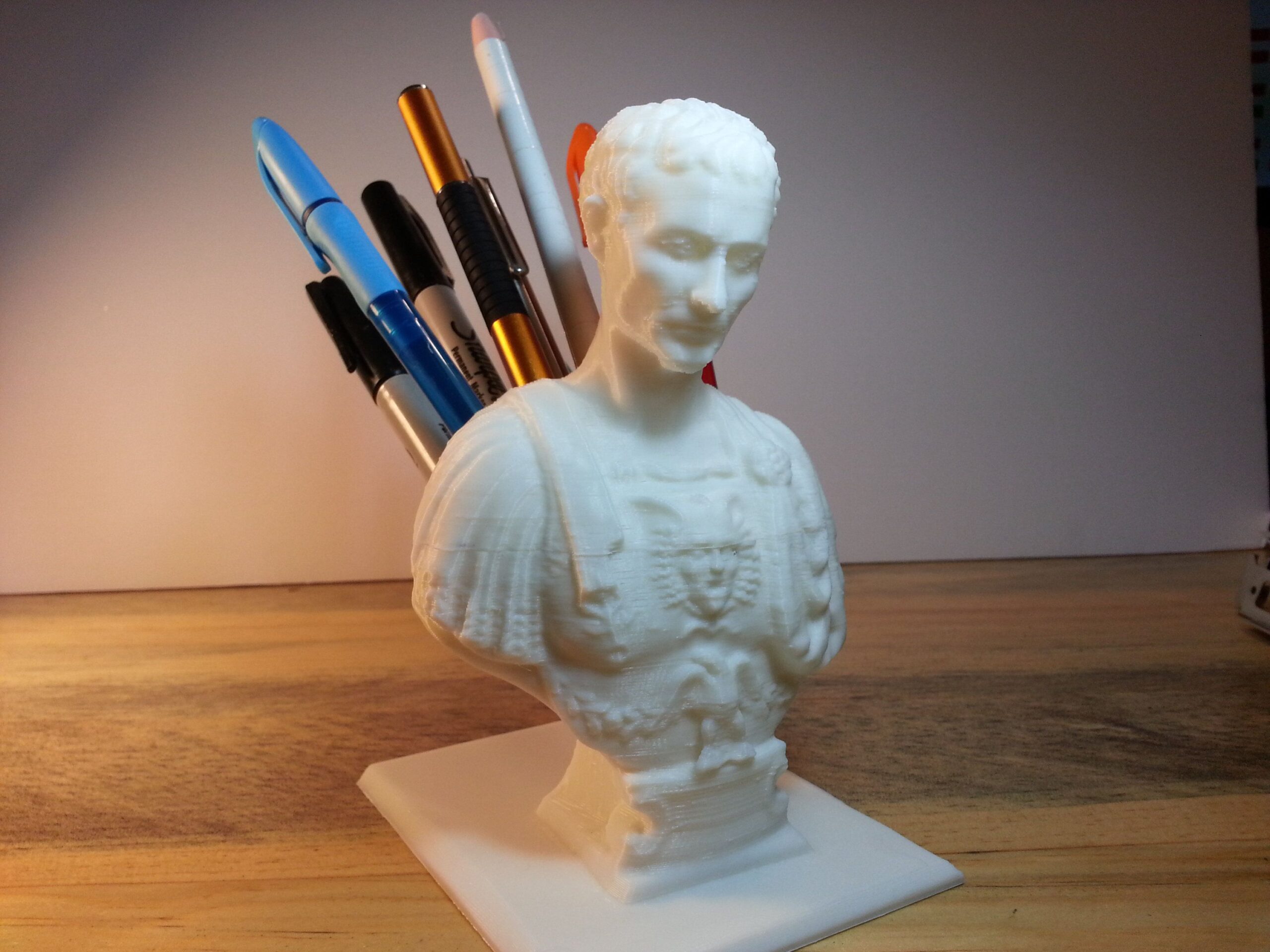
His name? Constantine. Flavius Valerius Constantinus. And he was getting ready to throw down with Maxentius at a little place known as “Milvian Bridge.”

But we’ll get to him next time.

— G.K.


[1] With the Jews, the Romans finally stumbled across a people who they couldn’t subsume their gods into the Roman pantheon with the whole “oh, yeah, that god? Totally Jupiter,” shtick. So, when the Jews wouldn’t make sacrifices to Jupiter the Best and the Greatest (at everything except being faithful to his wife) for the Emperor, the Romans assumed they were rebelling and Bad Times Ensued until they and the Jews settled for sacrifices being made on behalf of the Emperor to the Jewish God (who was not Jupiter the Best and the Greatest at everything except keeping it in his pants).

Jupiter, the original douchecanoe

Get Ready for Some Changes

Get Ready for Some Changes

Wow. It has been a while, hasn’t it?

Well, if anyone is still reading this, get ready for some changes. I’m going to get back to blogging a little more frequently than “once every few years.” One thing I’m going to be doing is to expand people’s knowledge of more obscure parts of history like Byzantium and Scottish mythology from the pre-Christian era.

I’ll also probably be revamping some of the features around here and updating the links.

*chisels the dust off*

Well, hell, it’s about time, isn’t it?

— G.K.

The Great Divorce

The Great Divorce

As someone who has spent a considerable amount of time studying history, I have my personal theories about why societies and civilizations fall apart. And, I think we are in the last few years of our current globe-spanning Western civilization. Whether those years will be counted by actual years or by decades is still up for debate. But, the end of the world as we’ve known it is upon us and I believe it is for the same reasons that Rome, Greece, Egypt, China, and Mesopotamia failed.

We are divided into two major groups: the urban group and the agricultural group. Each has its own discrete set of interests based on location, lifestyle, and local culture. Neither group is better or worse than the other and, in many cases, there is considerable overlap in interests. No, the true division is in prioritization and in means of achieving those interests. And therein lies the reason why I no longer think this divide can be bridged.

Civilizations have fallen in the past when the urban elites overruled and ignored the plight of the agricultural base that made their lives possible. Think about it: the city of Rome (or Constantinople or Athens or Beijing or Cairo or Memphis or Baghdad) does not have enough arable land attached to it to support itself. It needs to bring in wheat, meat, and wine from the outlying agricultural districts. Therefore, it needs the people working that land to either 1) feel like they have a vested interest in supporting Rome (or wherever) or 2) be serfs who have no choice. The most successful civilizations have been those that were able to convince the agricultural regions to continue to support the urban regions and who, to some extent, ennobled the idea of the citizen-farmer (such as in the case of Cincinnatus). But, when urban interests and priorities caused the ruling class to ignore, disparage, or enslave the agricultural workers, things started to go downhill very quickly.

That’s not to say that there was some kind of conspiracy or mass strike where food didn’t get sent to the urban regions. Instead, there became less interest in working the land and more in moving to the city where franchise was possible. Sons no longer remained to work the farms of their fathers and instead moved to the cities. Some places tried to undo this or force people to remain on the farms (a la the Roman tax-farmers who were a precursor to later European serfdom). Others sent soldiers to force the farmers to keep working the fields (and that usually led to a lot of other problems since soldiers weren’t paid well and often used their authority to enrich themselves).

But, when the divide gets too big, the society breaks down. And we’ve reached that point.

So, what do we do? In the natural course of things, one group or the other or both take up arms against each other, there’s a series of bloody wars that span decades, then one group triumphs over the other and the civilization restarts. In this case, I don’t see things working out too well for the urban group in the United States. They’ve helpfully (to those they term their enemies) isolated themselves in small easy-to-destroy zones. For instance, a few years ago, while writing my Zombie Apocalypse Survival Compendium, I worked out exactly how to make it impossible for anyone to survive in Los Angeles. It’s surprisingly easy and would require no more than a few hundred people and some commercial-grade explosives. Taking out Las Vegas is almost as trivial. New York City is a bit more of a challenge but not overly difficult — especially not Manhattan island. Chicago presents a definite challenge but, again, if you control the zones around it, it’s not difficult to use standard siege tactics and a small strike team to shut down air access within the city itself.**

And if I, working with no resources and only a few maps, can figure out how to do it, chances are someone who doesn’t view it as a mental exercise to contain zombies has worked it out in far greater detail. And it won’t be pretty. We’re talking tens of millions dead inside a few months from starvation, dehydration, lack of sanitation, lack of access to electrical power, and then the plagues that seem to follow from such disasters.

Meanwhile, the agricultural region is not going to be easily conquered. The population density is low and living off the land is not only a cultural expectation, it’s a real possibility. There are no high-impact damaging targets to hit that are the equivalent of even one of the urban cities. I mean, sure, taking out some monuments would make people mad but it wouldn’t lead to the deaths of millions. Then there’s the fact that most of the current armed forces are culturally inline with the agricultural regions — they are more likely to refuse to obey orders or even kill their commanders if ordered to take control of what the urban dwellers call “Flyover Country.” And then, within those regions, while there are those who sympathize with the urban regions, they are generally well known and if they started trying to begin a grassroots terrorist campaign, they will find themselves woefully outnumbers and outgunned. Even if you could take out the entire electrical grid in “Flyover Country” and wrest control of the ports and rivers from them, it’s still difficult to conquer them. You’re dealing with people who routinely lose access to power and water for days or weeks on end and who have cultural expectations that they will be able to deal with it. So, short of killing mass numbers of them and sending the rest to re-education camps, there is no easy way to destroy the current agricultural region or its political movements.

So, what can be done that will not result in massive death?

The Great Divorce.

I propose that we break into two nations — an urban nation and an agricultural nation. Further, I propose that the current national debt be divided by the number of total people and that each new nation take that percentage of debt as theirs to pay off. If the urban group refuses this, then the agricultural group should assume 100% of the debt but, in return, retains access to all armaments — nuclear and otherwise. In this case, the new urban nation starts with no military assets. Urban sympathizers living in agricultural areas can either move to the new nation or can opt to give up citizenship in their local zone and become citizens of the urban zone but will no longer be allowed free access to services supported by local taxes. Same with agricultural sympathizers living in urban zones. So, if you’re an urban citizen who has chosen to live in the agricultural belt for whatever reason, your taxes go to support your urban nation and not to support the local schools. Therefore, you would have to pay to send your children to state-funded schools. Same for agricultural sympathizers living in the cities.

Trade and treaties between these two nations can be hammered out but any current agreements between regions will be null and void and will have to be negotiated fresh. That means that if the agricultural region wants access to a West Coast port, they’ll have to negotiate for it. It also means that if the urban region wants access to fresh water from the agricultural region, they’ll have to negotiate for it. Same with electrical power generation, mining rights, etc. The agricultural group could, as a gesture of good faith and good will, agree to cede a certain amount of arable land non-contiguous with an urban region to the urban nation to use as a breadbasket for itself. However, that land and free access to it would be contingent upon the urban citizens finding people with the know-how and willingness to go work on the farms and on them not spitting on the agricultural citizens who have graciously given up their land.

After that, the citizens of one nation go their way and the citizens of the other go a different way. Neither gets to rule over citizens of the other. If citizens of the agricultural nation are up in arms because citizens of the urban state can have abortions, well, they have as much say in that as the US currently has in abortion laws in Finland. If the citizens of the urban nation are up in arms because the citizens of the agricultural nation decide that the drinking age should be fourteen, well, again, they have as much say in it as the US currently does in British tax rates.

Both nations, if they chose to remain open to each other, could conduct various campaigns to try to win hearts and minds to their nation. Children born in either nation would not have citizenship rights until at least eighteen and at eighteen could very well decide to go live in the other nation. Immigration policy between the two will be up to the new governments, of course, but I would propose that there be a cooling-off period of five years between settling in a new nation and receiving franchise rights.

The only real issue of contention I see that is not easily resolved is that relating to the broadcast spectrum but, with the airwaves becoming less important due to the advent of the Internet, I don’t see it as a major stumbling block.

So, people on the left and right — what do you think? Are you willing to give up power over those who disagree with you in order to have your own nation? Or is all your caterwauling and hand-wringing just the same tired clichés that all tyrants trot out whenever they decide that they need to rule over people “for their own good?”

A house divided cannot stand but then a marriage where the parents do nothing but fight and scream at each other doesn’t last very long either.

— G.K.

**I am not going to post details of how to do any of these things here since I don’t want to give any local wackos ideas. Suffice it to say, I ran it past several of my friends in the military and the words “Yes, it would work. What is wrong with you that you think this shit up?” were uttered.

Video-games and Storytelling

This will be a new series about how storytelling is done in video games. As I learn more about programming and as I think about video games I have played over my lifetime, I will be making new posts to explore the dynamics of gameplay, storytelling, and graphics. Right now, I am working up a post about the Uncanny Valley effect and modern games — mostly those by Square Enix. If you know of games that have successfully crossed the Uncanny Valley, post the titles in the comments below and I will check them out as time and funds permit.

This is going to be a very long, somewhat rambling, and at times incoherent series of posts as I learn more about programming in general, game programming in specific, and the history of gaming.

I hope that you who still read this site will enjoy it! If you have suggestions or questions, post them in the comments.

— G.K.

So…

So...

It’s been a while since I posted anything here. A lot has happened in my life since the last time I posted. Back then, I was engaged. In the years since, my engagement ended somewhat abruptly. Oh, it’s all my fault. I wasn’t good enough, I wasn’t what my fiancé needed when he got sick, and I was too stupid and stressed to be the woman he deserves. I hope that, one day, he’ll find someone worthy of him. For myself, I’ve decided to return to my fictosexuality and only fall in love with fictional characters. I will not seek to enter a relationship with a real man ever again. It seems that, somewhat tragically, I got it right the first time around when I married my ex-husband. Since there is no chance of us ever being anything other than good friends, I’m giving up on romance entirely to focus on my career and my writing.

That leads me to the next bit I have to announce. Back in 2017, under some pressure, I became a teacher. I have taught high school and elementary English and French over the past three years and I have learned a valuable lesson: I am not cut out to be a teacher. I’m too introverted, a few standard deviations too distant, and just too much of an INTJ to be a good teacher. Especially in the impoverished districts that are hiring. Therefore, I will be returning to the IT world as a web programmer. I already have a position lined up for me.

So, why am I giving up teaching? Simple. I’m no good at it. Oh, I can reach most students — that’s true. I can break down concepts and get my students to understand them. I can teach. The problem is — I can’t inspire. I can’t make connections with most of my students. Part of this is down to me being an INTJ — we don’t make connections with anyone easily. The other parts come down to me being a very different generation, class, and race than my students.

See, I graduated from high school back in 1998. Back then, students were expected to just do whatever the teacher asked. There was no arguing. There was no getting Mom and Dad to come up and defend us for being special little snowflakes. It was “do the assignment or take the zero.” If we wound up in a class we didn’t want to take or didn’t have the pre-reqs to take (as happened to me my senior year when I landed in Trigonometry after having eked out a “D” in Algebra II), we were expected to give it our best regardless. None of us thought about complaining that we didn’t understand, that we didn’t want to be there, that we were bored, that we hated the class. Our thoughts, feelings, and opinions were completely irrelevant. We were expected to do the work, to give it our all, and to go along to get along regardless of whether we wanted to be there or not. If we were ill-brought-up enough to complain, we got sent to the principal’s office and there we got set straight that what we wanted did not matter at all and that life would never conform to what we wanted or wished.

I could go on and on — and will, probably, in a different series of posts — about the problems with modern students and the current education system. However, for now, all you need to know is this: do not become a teacher. Unless you feel the same level of calling to be a teacher that some feel to become a priest, a nun, or a pastor — don’t. Why?

Well, first of all, being a teacher is a lot like being in an abusive relationship. Unless you are prepared for it and have the kind of personality that is able to withstand the abuse, it’s not worth it. You will rarely ever hear anything positive. Your academic coaches and principals will instead focus only on test scores, absences, and lack of willingness to follow arbitrary rules that you will be held to while their favorites and they themselves will be exempt from upholding. You might manage to come in every single day — even on days that you are ill — but you will be yelled at and held to account for all of the teachers who don’t come in every day. Your test scores might be in the highest percentile for the school — but you will still be shouted at as if you were in the lowest percentile. And God help you if you have troubled students. For every write-up you send to the office, not only will nothing be done, but you’ll be considered a “bad” teacher who is “unable or unwilling” to control your class.

If your students threaten you, you will be ignored when you report it. If they complain and make up a whole lot of crap about you, they’ll be believed and you will be ignored. If you start to record them, you’ll be in trouble. If you can’t keep 100% of your students 100% engaged, then the problem is with you.

You will be told to “teach to the test.” However, when you do that and your students go off to college completely unprepared for the rigors of university-level courses, you will be blamed for “teaching to the test.” Even if you record your principals demanding that you do just that (teach to the test), you will be held accountable when your students aren’t college-ready. Your principals and department heads will throw you under the bus. You will have no support, no back-up, no authority, and no respect from your students, their parents, or your administration. Instead, you will be the first to blame for any problem, for any issue with other teachers in your department, for anything that has annoyed the administration. You will work at least 30 to 50 hours overtime (unpaid!) per week. You will sacrifice time with your spouse, with your children, for your hobbies — all to try to make the administrators look better. If, through your sacrifices and efforts, the school does start to do better, you will NEVER be given credit. Instead, it will be the superintendents and principals who get the credit.

Everyone will talk about how lucky you are to have so many paid holidays — ignoring the fact that you forgo several hundred dollars per month so that your paycheck can be stretched from 10 months to 12 — and that the amount will always favor the school district and not you (after all, you might think that $48,000 would mean $4k per month but no, it will get you around $3k per month after benefits, withholding, retirement, and whatever other tricks your district comes up with). You will spend most of those holidays working — trying desperately to keep ahead of the demands. Should you be lucky enough to make it five or more years in teaching, you will find yourself forced to kowtow to the whims of an idiot who brags about not bothering to teach third-graders how to read but instead managed to get their test scores higher.

You will work, you will slave, you will sacrifice, and you will give and you will be told that all of that is not enough. You will never hear a single positive thing. You will be blamed for everything that goes wrong. You will be held accountable for all of the students who just got passed along until they got to you. You might be teaching 12th grade with students who are on a pre-K reading level and it will be YOUR FAULT that they can’t struggle through Beowulf or Macbeth. Never you mind that their previous teachers promoted them because it was easier to 60 them out than to deal with the paperwork. It’s still your fault that they got to you unable to read on grade level.

And your paycheck and benefits? Sure, if you manage to suffer through 30+ years, you’ll get a good retirement package. Unless, of course, the State needs that money to fund something else.

In short: entering into education is stupid. It’s like willingly getting into a relationship with a drunk who has a history of beating their partners. Only do it if you enjoy being a martyr. If you have an ounce of self-respect, go into something else. You’ll not only work less hours, have more time to yourself, and get paid more — you’ll add years to your life.

From one who has survived three years of absolute hell,

— G.K. Masterson

Announcing new stuff!

Announcing new stuff!

So, last week I went up to visit my First Reader in the near-middle of the United States. We had an absolutely great time together and are looking forward to many more great times together in the future. Additionally, while I was up there, I began working on my latest WIP series: the Blade of Fate. I am planning to release this in two versions: one version as a more straight-line fantasy story with just a touch of romance and another, steamier version (under a different pen name). I also seem to have gotten myself roped into helping a fellow teacher-person with some non-fiction books which may mean yet another name.

Therefore, if you see stuff that is identical to something I’ve written as G.K. Masterson but under a different name, check with me before you take out the torches and pitchforks. Chances are, it’s a re-release into a different market. I want to keep my brands separate instead of getting known as “that chick who writes kinky fantasy novels.”

In other WIP news: I am almost finished with Lanar’ya 3. I am planning to have a long talk with my publisher on that series about getting the rights back and then re-releasing it once I have found an editor to re-edit the series. And, I’m still working in the Cycle of the Eternals universe but I’m not planning to actively put out the first book until I have a few more in the kitty. Had I known that Lanar’ya 3 was going to be so stubborn about being written, I’d have held off a bit on that series, too.

Lastly, if I have time between all the traveling, other writing, and teaching-prep I have to do this summer, I will start trying to update my serials more often. I may give Patreon another go to see if I can make “gas and milk money” off it.

However, all that said, I am not going to promise to blog more often. As explained above, I have about eight hojillion projects on various burners not to mention finishing up my Master’s degree which involves plenty of writing there, too.

Thanks to all of you who have stuck around!

— G.K.

Origins and the Canary in the Coal Mine

I think what bothers me more than just the whole “weak woman” thing (and, once again, thank you so much for setting us back again, Whitney!) is the chilling effect that dis-inviting folks like Larry Correia, Jon del Arroz, John Ringo, and Tim Bolgeo from conventions has on free speech and free thought. I mean, let’s assume for the moment that every negative thing said about these guys is true. Let’s assume — again, for the sake of argument only — that they are the horrible things that the crybullies say they are.

Does silencing them do anything to prove them wrong? Hell no. All you’ve done is show that you don’t have an effective argument against whatever it is you are strawmann-ing them to have said/thought/believed. You are, in essence, saying that they are right. Do you want to know how we got the Civil Rights Movement to work? It wasn’t by silencing the segregationists — it was by answering their speech with our own and proving them wrong. It was about refuting their arguments. It was about reaching out to them and connecting with them as humans and helping them to see that segregation was a bad thing for whites and blacks. And it took a long time to get where we are and, while we still have a ways to go, we’re all in a much better place than we were in the 1940s and 1950s.

In a way, this bothers me so much because gaming and sci-fi/fantasy have become the new canaries in the coal mine for the free speech movement. Everywhere else, people have caved in to the crybullies — tech, science, literary works, romance, horror, religion, history and historiography — but the geek world fought back. The geek world said “we really don’t care what you have in your pants, who you like to hump, or what the melanin ratio in your skin is — if you like our stuff, we like you” and refused to bow down to the crybullies and the Stalinists who would, quite frankly, like it if everyone to the left of Mao got sent to the gulag. When our world starts getting invaded by people who are NOT part of it — and seriously, a playboy billionaire and his rich bitch probably do not spend their Saturdays playing D&D — and who insist that we have to exclude people for wrongthink instead of engaging them, it’s time to fight back and to tell them to go back to their segregated, gated neighborhoods where the domestics are invisible and leave the rest of us the hell alone.

We are the gutter genre — we’re where everyone mixes together, tells good stories, experiments with exploring cultural problems by substituting elves and dwarves and whatever else for humans, and who honestly don’t care that much if you’re male, female, transsexual, gay, straight, bi, poly, white, black, yellow, red, purple with green stripes. We’re the place where all the outcasts are safe to hang out and talk. We are the United States of the writing world — a place for the oddballs to mix, have more oddball kids, and then dream up awesome stuff that the elites can’t think up because they’re too trapped in their boxed-in, fenced-in, invitation-only worlds. We need to stay what we are and not let the mainstreamers screw us over by imposing their whitebread blinkered view of reality on us and hemming us in with boxes — check boxes, tick boxes, political boxes, socio-economic boxes — and keep mixing it up. We need to bring in people who are interested in telling great stories with great characters — characters and stories that can appeal to many different audiences.

If we let them win, if we give up and let them segregate this last place where we all meet and mix, we’re boned. Big time. So, roll up the sleeves and let’s start building a new place for people of all races, genders, creeds, and socio-economic brackets (not just the chardonnay sippers from the “right” neighborhoods in the “smart” cities) to meet up, talk games, swap stories, and to have all the cultural miscegenation we want.

— G.K.

Weak Woman Ruins Origins

Weak Woman Ruins Origins

So, I know I’ve not been blogging much. First year teaching, wrapping up a MAT program, writing, life… However, after hearing about Origins dis-inviting Larry Correia (one of my favorite authors and people) because some woman got her feelings hurt because Larry fisked her fiancé’s article on GenCon four years ago and decided that a fisking means she’s “not safe” at a convention with Larry goes to the con organizers and gets him dis-invited, I knew I had to come back because this. is. bullshit.

See, crap like this is why women don’t get taken seriously in male-dominated industries. So, screw you, Whitney Beltran. Screw you for setting us back with your inability to control your “vapors” and deal with the fact that not everyone thinks your HoneyBooBoobear is right. Screw you, you stupid fucking Mrs. Brady “my man knows best” for this.

You are a special kind of stupid

Women — real women — like Sarah Hoyt (an actual real minority and an immigrant to boot!), Cedar Sanderson, and even Cat Romero can handle the fact that not everyone thinks their husbands/boyfriends/girlfriends/whateverbecauseIamnotajudgymcjudgerson are right and perfect. These women can do remarkable things — like work with people they may not agree with, go to conventions that have Guests of Honor who might disagree with them, and can live without needing the world to think that their SOs are right about everything and that only wisdom and truth come from their men’s mouths. But you… you make us all look bad. Women like you are why women in tech can’t get mentors — we might get the vapors or make false accusations and try to ruin a man’s reputation or cost him opportunities if he says something we don’t like. Women like you are why we have trouble getting our games developed or having our voices taken seriously in gaming development. After all, we’re just going to make a mushy game all about feelings and where the characters have to navigate a minefield of never offending the perpetually offended and dealing with womanish vapors and no one wants to play that or walk on eggshells around other developers — not that you’d understand the desire to play a game that doesn’t involve the heroine being rescued by someone else.* Easier to just keep it all male. Women like you are why we have a hard time making it in the sciences — after all, if our hypotheses (or our boyfriend’s hypotheses) gets proven incorrect, we may lash out and do everything we can to ruin that person’s life, bringing it up years later and talking about how we don’t feel “safe” using the same grocery store as them.

So screw you. I hope that your fiancé protects your weak-minded, lily-livered, thin-skinned, meek self from the real world. I hope he’s provided you with the June Clever/Carol Brady cotton-wool-wrapped existence that you need, you delicate little fainting lily. I hope that you and your sister-in-spirit Rose Eleveth — who went out of her way to prove that women aren’t concerned about or interested in science; we’re all about what people are wearing and celebrity gossip! — are able to live in a bubble world where nothing ever happens to you and you never encounter any kind of disagreement. I really hope that is how it is for you and I really wish that you would stay in that bubble world and quit trying to bring your whole patriarchal “My Husband Knows Best” attitude on those of us who actually do believe in things like freedom of speech, having disagreements civilly, not ruining people’s lives over them not worshiping our husbands, and that women can deal with encountering things that they may not like or people with whom they may not agree without getting the vapors.

Don’t get me started on your ignorance regarding the Sad Puppies and the Hugos. Seriously — if you’re thick enough to think that “all whites + one Asian” counts as representing PoCs, then you’re too thick to be able to understand something as complicated as the politics behind the Hugos. Get your husband to explain it to you, Whitney, because I have neither the time, the inclination, nor the crayons to do it myself. I’m too damned busy working in an impoverished school district teaching students of color — the ones you probably shudder at and cross the street to get away from — and actually making a difference in the world, you chardonnay-sipping, privileged, white, limousine liberal.

I don't have the time or the crayons for this shit

— G.K.

*Seriously — Twelve reviews on Metacritic is all that thing got? Right. That’s beyond sad.